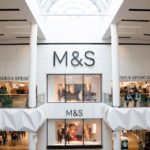
Marks and Spencer has presented a refreshed direction for its fashion division in 2026, identifying several strategic reasons behind growing consumer engagement with its clothing collections. The retailer has aligned product planning, sourcing standards, pricing structure, and digital integration with evolving customer expectations across the UK and international markets. Through structured investment in wardrobe essentials, seasonal collections, expanded sizing, and omnichannel accessibility, Marks and Spencer positions its fashion segment as a central component of its broader retail growth strategy. Recent trading updates highlight strengthened clothing sales performance and improved brand perception in style and quality metrics, reinforcing why shoppers are increasingly selecting Marks and Spencer for everyday and occasion wear. These developments frame a series of defined reasons linked to reliability, accessibility, sustainability, and wardrobe continuity that underpin the company’s 2026 apparel strategy.
Marks and Spencer Provides Consistent Wardrobe Foundations
One of the primary reasons consumers continue to engage with Marks and Spencer fashion is its structured focus on dependable wardrobe foundations that remain available throughout the year. The retailer maintains continuity in staple items such as tailored trousers, knitwear, shirts, and outerwear, ensuring that customers can reliably repurchase key pieces across seasons. This consistency reduces uncertainty in sizing and fit while supporting long-term wardrobe planning. In 2026, Marks and Spencer has reinforced its commitment to core lines by maintaining stable product codes and predictable restocking cycles, enabling customers to integrate repeat purchases into personal clothing systems. The availability of perennial items alongside updated seasonal introductions offers shoppers a practical reason to rely on Marks and Spencer when building or refreshing everyday attire without significant variation in fit or construction standards
Marks and Spencer Emphasises Inclusive Sizing

Marks and Spencer continues to expand inclusive sizing across womenswear, menswear, lingerie, and kidswear categories, positioning accessibility as a significant reason for choosing its fashion collections. The retailer provides extended size ranges, including petite, tall, curve, and wider footwear fittings, supported by refined grading systems designed to maintain proportional balance across different measurements. In-store fitting services and detailed online guides further reinforce this accessibility, reducing barriers for customers seeking specific dimensions. By addressing a wide spectrum of body types within mainstream collections rather than limited sub-ranges, Marks and Spencer integrates inclusive sizing into its central product strategy. This structured inclusivity offers a clear reason for customers to engage with the brand when seeking garments that align with individual body proportions without the need to explore specialist outlets.
Marks and Spencer Strengthens Value Positioning

In 2026, Marks and Spencer continues to integrate competitive pricing strategies into its clothing division, providing a defined reason for customers to incorporate its fashion into regular purchasing routines. The retailer has maintained stable pricing across core apparel categories while introducing targeted price reviews on selected lines to align with market conditions. This approach supports predictable spending for consumers seeking everyday clothing options without sacrificing material standards or construction benchmarks. The combination of transparent pricing tiers and regular promotional events further supports accessibility across income segments. By maintaining alignment between cost structure and perceived garment reliability, Marks and Spencer reinforces affordability as a strategic reason for continued customer engagement in its fashion segment.
Marks and Spencer Advances Sustainable Sourcing
Sustainability remains a structural pillar of Marks and Spencer’s clothing strategy, offering customers a reason to align purchases with environmental considerations. Through its long-term Plan A framework, the retailer continues to integrate responsibly sourced cotton, recycled polyester, and certified wool into its apparel lines. Supply chain transparency initiatives and waste-reduction commitments are embedded within sourcing processes, with measurable targets linked to emissions and material efficiency. In 2026, Marks and Spencer has expanded traceability reporting within selected collections, enabling clearer communication around material origins. This emphasis on sustainable production provides a defined reason for consumers seeking clothing options associated with environmental accountability and responsible supply management, reinforcing the retailer’s long-established ethical positioning.
Marks and Spencer Enhances Digital Integration
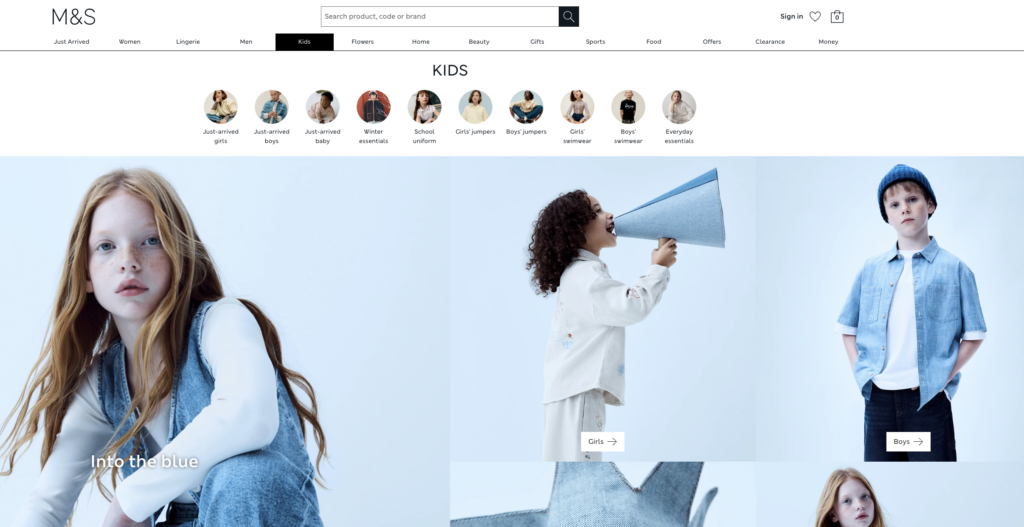
The expansion of digital infrastructure represents another reason consumers are selecting Marks and Spencer fashion in 2026. The retailer has invested in improved website navigation, enhanced search filters, and more detailed product visualisation tools designed to streamline garment selection. Click-and-collect services, simplified returns, and synchronised inventory systems allow customers to transition between online browsing and in-store purchasing with minimal disruption. Personalised recommendations based on browsing behaviour further refine product discovery while maintaining data protection standards. By integrating physical retail spaces with digital capabilities, Marks and Spencer provides a practical reason for shoppers to utilise multiple purchasing channels within a single fashion ecosystem, reflecting contemporary consumer expectations for flexibility and accessibility.
Marks and Spencer Aligns Seasonal Collections With Lifestyle Shifts

Marks and Spencer structures its seasonal fashion cycles to reflect changing climate conditions, workplace patterns, and social occasions, presenting adaptability as a key reason for customer engagement. Spring/Summer and Autumn/Winter collections are introduced with coordinated colour palettes and layering options designed to integrate with existing wardrobe staples. In 2026, the retailer has adjusted its product release calendar to align more closely with weather fluctuations and consumer purchasing rhythms. This measured rollout supports smoother wardrobe transitions and reduces abrupt shifts between collections. By synchronising design planning with real-world usage scenarios, Marks and Spencer strengthens relevance as a reason for continued fashion adoption across different stages of the year.
Marks and Spencer Maintains Brand Heritage
The historical presence of Marks and Spencer within the UK retail landscape contributes to consumer trust, serving as an established reason for ongoing engagement with its clothing lines. With a heritage spanning more than a century, the company has built recognition around consistent quality control processes and structured supplier relationships. In recent corporate communications, Marks and Spencer has reiterated its focus on maintaining established standards while adapting to contemporary retail demands. The combination of long-term brand familiarity and modernised operational frameworks provides continuity that resonates with multiple generations of shoppers. This integration of heritage identity with current fashion execution strengthens trust as a reason for selection in an increasingly competitive apparel market.