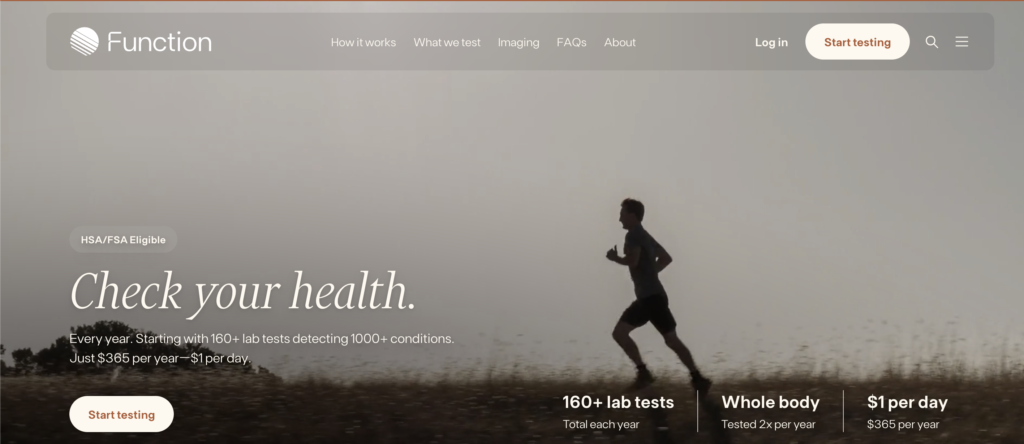
Health testing can look very different depending on where and why it is performed. A routine physical may include a standard set of laboratory measurements selected according to a person’s age, medical history, symptoms, and healthcare needs. Function Health takes a broader membership-based approach, offering 160+ laboratory tests annually and repeat testing throughout the year. Understanding the difference can help people determine how Function fits alongside conventional healthcare.
A Broader Testing Menu
Function Health currently advertises more than 160 lab tests per year. Its testing categories include heart and metabolic health, hormones, thyroid function, nutrients, inflammation, autoimmunity, liver and kidney health, and other areas. Examples include ApoB, Lipoprotein(a), insulin, vitamin D, ferritin, thyroid antibodies, TSH, free T4, and other biomarkers. This broad menu is one of the defining characteristics of the Function model.
Traditional Checkups Have a Different Purpose
A conventional medical checkup is generally personalized according to the patient’s health history, symptoms, risk factors, age, and physician’s judgment. The specific tests included can therefore vary substantially. Function’s membership, by contrast, provides a defined set of laboratory testing designed to cover a broad range of biomarkers. These two approaches do not necessarily need to compete with each other. A Function membership can provide additional information that a person may discuss with their own physician, while routine medical care remains important for diagnosis, treatment, physical examinations, and other healthcare needs.
Twice-Yearly Testing

Another difference is frequency. Function says its standard membership includes testing at least twice a year. Members start with 100+ tests during their annual testing and then receive a follow-up test containing 60+ biomarkers approximately three to six months later. The follow-up testing is intended to show what has changed since the initial measurement.
Why Repeat Data Can Be Useful
Health measurements are not necessarily fixed. Biomarkers can change as circumstances change. Nutrition, physical activity, sleep, stress, medications, illness, and other factors may influence different measurements. By collecting data more than once, a person can see whether a particular marker has remained relatively stable or changed. Function’s platform is built around this concept of tracking health over time rather than treating each laboratory test as an isolated event.
Clinician-Reviewed Information
Function also places emphasis on helping members understand their laboratory information. The company states that clinicians review results and that the platform provides explanations and personalized health information. This can make a large laboratory report easier to navigate. However, explanations provided through the platform should not be confused with a complete medical evaluation. Function explicitly states that it does not provide medical advice, diagnosis, medical treatment, or medical opinions through its services.
Keeping Previous Results Together
Another feature is the ability to upload previous laboratory results. This can be useful for people who have testing history from different healthcare providers. Instead of looking only at the newest result, members can build a more complete record and compare historical information. Function also allows members to share results with their doctor, which can support conversations during medical appointments.
Access to Quest Locations
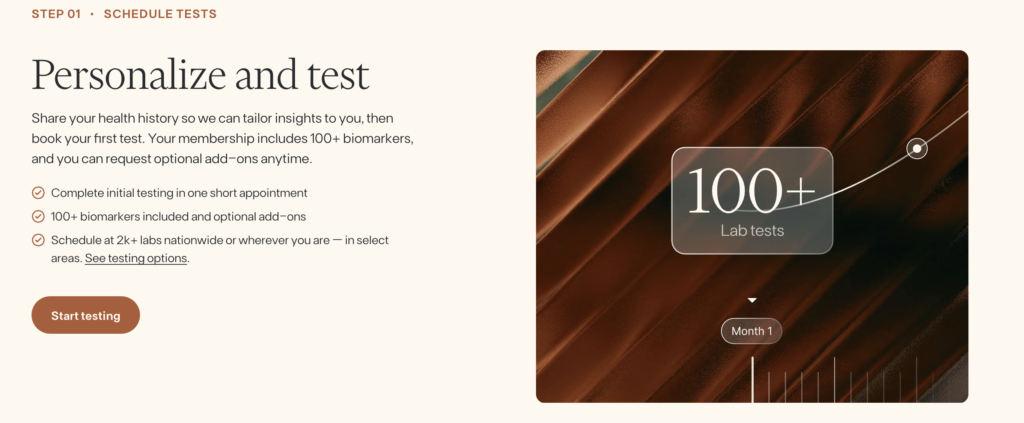
Function’s testing network is another practical difference. The company says members can access more than 2,000 Quest locations across 48 states. Function also offers at-home blood draws in selected areas through licensed specialists. The company estimates that a typical lab visit takes about 15 minutes, although certain members may require more than one visit depending on the tests and location.
Beyond Laboratory Testing
Function’s ecosystem extends beyond standard blood testing. The company currently offers access to MRI and CT imaging as well as certain specialized testing options. The pricing page lists access to options such as the Galleri Multi-Cancer Test, Alzheimer’s and brain testing, and mold reactivity testing. These options are separate from the standard laboratory membership and may have additional costs.
Should Function Replace a Doctor?
Function should not be viewed as a replacement for conventional medical care. The company’s own website explains that Function Health is a healthcare technology company rather than a laboratory or medical provider. Independent third parties provide laboratory and medical services. A personal doctor can consider symptoms, medical history, physical findings, medications, family history, and other information that laboratory testing alone cannot provide.
Who May Be Interested in Function?

Function may be relevant to people who want more extensive laboratory information and prefer tracking their health data digitally. It may also appeal to people who like the idea of repeat testing and maintaining a long-term record of biomarkers. People with specific medical concerns should discuss the appropriate testing and interpretation with their healthcare professionals.
Final Thoughts
Function Health and traditional medical testing serve different roles. Function focuses on extensive laboratory testing, repeated measurements, digital health tracking, and clinician-reviewed explanations, while traditional healthcare provides a broader clinical framework that includes diagnosis, treatment, physical examinations, and individualized medical decision-making. For someone interested in adding more laboratory data to an existing preventive health routine, Function provides a structured membership-based option.