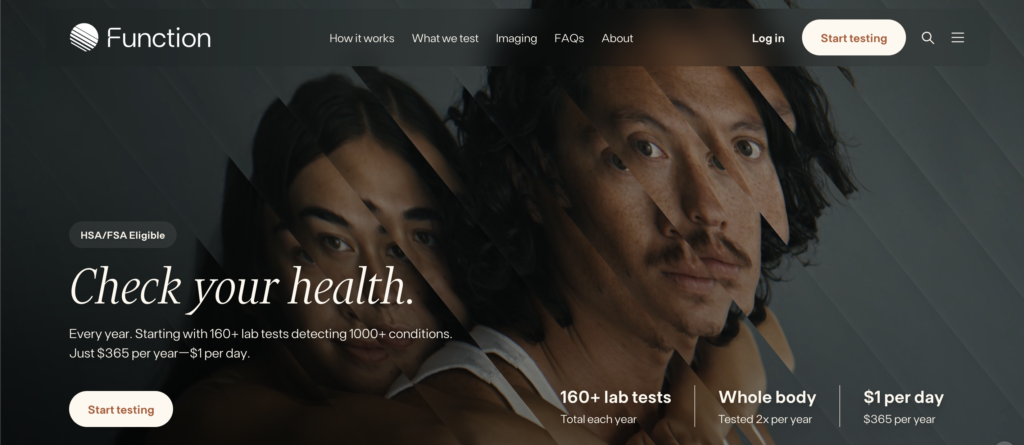
Preventive healthcare is increasingly becoming about more than simply visiting a doctor when something feels wrong. Many people now want to understand their health data, establish personal baselines, monitor changes, and have more informed conversations with healthcare professionals. Function Health is designed around this approach, offering a membership that combines extensive laboratory testing with health tracking and personalized insights. Rather than focusing on one particular part of the body, Function takes a broad approach that includes cardiovascular, metabolic, hormonal, thyroid, nutrient, inflammatory, and other biomarkers.
Moving From Occasional Testing to Continuous Tracking
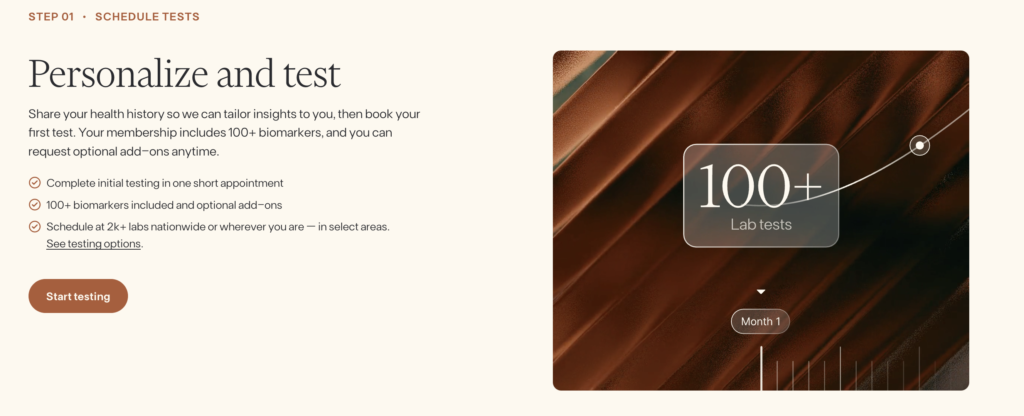
Traditional healthcare often involves testing when a doctor considers it necessary, during an annual physical, or after a symptom appears. Function Health takes a different approach by building repeat testing into its membership. The company currently provides 160+ lab tests annually and recommends testing at least twice per year. Members begin with 100+ tests and then receive a follow-up test covering 60+ biomarkers approximately three to six months later. The purpose is to give members multiple data points instead of relying on a single annual snapshot.
Building a Personal Health Baseline
A personal baseline can be useful because health data varies from person to person. Two people can have different results while both being within or near standard laboratory reference ranges. Function’s model is designed to help members build a history of their own biomarkers and observe changes over time. The platform says it tracks health information over the long term, allowing members to compare new results with earlier data. This type of tracking can give people useful information to discuss with their healthcare providers, especially when they are making changes to their lifestyle or monitoring an existing health concern.
Looking Beyond Basic Cholesterol Testing
Heart health is one example of the broader testing approach used by Function. The company’s current testing information includes biomarkers such as ApoB, Lipoprotein(a), LDL particle measurements, triglycerides, and other cardiovascular and metabolic markers. Function also includes testing in areas such as insulin and omega-3 levels. This does not mean every test is medically necessary for every individual, but it does demonstrate the breadth of the membership compared with a basic screening focused on a smaller number of common measurements.
Understanding Hormones and Thyroid Health
Function also includes a number of hormone and thyroid-related biomarkers. Its listed testing includes TSH, free T4, thyroid antibodies, testosterone, anti-Mullerian hormone, and other measurements. Hormone and thyroid results can be complex and should not be interpreted in isolation, but having historical measurements can provide additional information for discussions with a healthcare professional. Function’s repeat-testing approach means members can monitor certain biomarkers rather than viewing each result as a one-time number.
Making Health Data Easier to Access
Another part of modern preventive health is keeping information organized. Function allows members to access their results through its digital platform and upload previous laboratory results. The company also says members can share their information with their doctor. Having previous results available in one place can make it easier to compare older and newer measurements rather than searching through multiple medical portals or documents.
Testing Through Quest Diagnostics
Convenience also plays a role in preventive health. Function currently partners with Quest Diagnostics and says members can use more than 2,000 Quest locations across 48 states. Function estimates that a standard lab visit takes approximately 15 minutes. In selected locations, the company also offers at-home blood draws performed by licensed specialists. These options can make recurring testing easier to fit into a regular schedule.
Turning Results Into Action
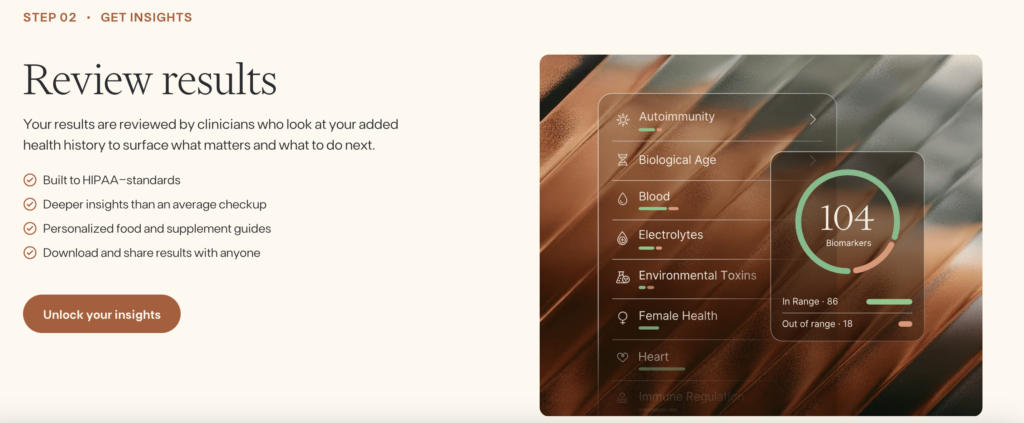
Health information is most useful when it can support informed decisions. Function provides explanations and personalized protocols alongside laboratory information. The company’s current membership information says clinicians review results and that personalized protocols can help members act on their information. The platform should not be considered a replacement for medical advice, diagnosis, or treatment, but it can provide information that members may choose to discuss with their healthcare professionals.
How Lifestyle Changes Fit Into the Process
Lifestyle factors such as nutrition, physical activity, sleep, and stress can influence many aspects of health. A person making lifestyle changes may be interested in tracking whether certain biomarkers change over time. Function’s twice-yearly testing model provides an opportunity to collect additional data after a period of lifestyle changes. The results do not prove that a particular lifestyle change caused a specific outcome, but they can become part of a broader conversation with a healthcare provider.
Is Preventive Health Only About Finding Problems?
Preventive health is not necessarily about searching for something wrong. It can also involve understanding what is happening when a person feels healthy. Function’s approach is built around establishing a baseline, tracking changes, and providing information that can support future healthcare discussions. Its website describes the platform as a way to monitor early indicators across a wide range of health conditions.
The Role of Function Health in a Health Routine
Function Health can fit into a broader health routine that includes regular medical appointments, appropriate screenings, exercise, nutrition, sleep, and other healthy behaviors. The platform provides a substantial amount of laboratory information, but those results are only one part of a person’s overall health picture. Medical history, symptoms, family history, physical examinations, and professional medical judgment can all be important.
Final Thoughts
Function Health represents a data-focused approach to preventive health. Its membership combines 160+ annual lab tests, twice-yearly testing, digital tracking, clinician-reviewed results, and access to a large network of Quest locations. The value of this approach depends largely on how someone wants to use health data. For people who want to establish personal baselines and follow changes over time, Function provides a structured way to organize that information and use it as part of a broader healthcare routine.