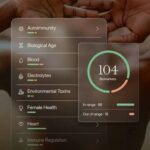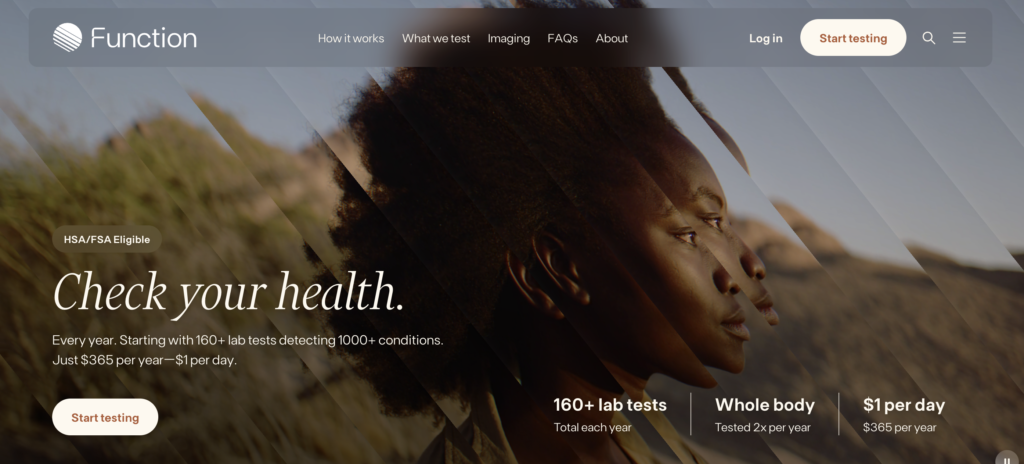
Health data becomes more useful when it can be viewed over time. A single blood test can show what is happening at one particular moment, but repeated measurements can provide a broader picture of how certain biomarkers change. Function Health is built around this idea, combining extensive laboratory testing with digital tracking, clinician-reviewed results, and personalized health information. The platform currently includes 160+ annual lab tests and testing at least twice per year.
Creating a Long-Term Health Record
Function Health is designed to help members create an ongoing record of their health information. The company says its platform can track health data over time and allows members to upload previous laboratory results. This can help bring information from different testing periods into one place. Instead of reviewing every laboratory report separately, members can use their Function account to maintain a more organized history of their results.
Why Repeat Testing Matters
Health biomarkers can change for many reasons. Diet, exercise, sleep, stress, medications, illness, and other factors can influence different measurements. Function’s membership includes testing at least twice a year, with an initial group of 100+ tests followed by 60+ biomarkers approximately three to six months later. This gives members an opportunity to compare measurements from different points in time rather than relying exclusively on one annual result.
Comparing Results With Your Own History
One of the useful aspects of longitudinal health tracking is that an individual can compare newer measurements with their own previous results. For example, a person who changes their lifestyle may want to see how certain metabolic, nutrient, or cardiovascular biomarkers change during subsequent testing. Such comparisons do not prove that one specific habit caused a particular change, but they can provide additional information for discussions with a healthcare professional.
Clinicians Review Results
Function says clinicians review every result and flag issues when appropriate. The platform also provides explanations designed to make laboratory information easier to understand. This can be particularly useful when members receive a large number of laboratory measurements at once. Instead of having to search for the meaning of every individual abbreviation or biomarker, members can use the platform’s explanations as a starting point for understanding their reports.
Personalized Health Information
Function’s current membership also includes personalized protocols designed to help members act on their health information. The company describes these as plans related to areas such as nutrition, fitness, supplements, sleep, and stress management. These features are intended to connect laboratory information with practical next steps. As with any health information, members should consider their individual circumstances and consult an appropriate healthcare professional before making significant medical or treatment decisions.
Keeping Results Accessible
Function provides a digital environment where members can access their information rather than relying solely on individual paper reports. The company also says members can download their results and share them with their doctors. This can be useful when a healthcare provider wants to review historical laboratory information alongside current testing.
Testing Through a Nationwide Network
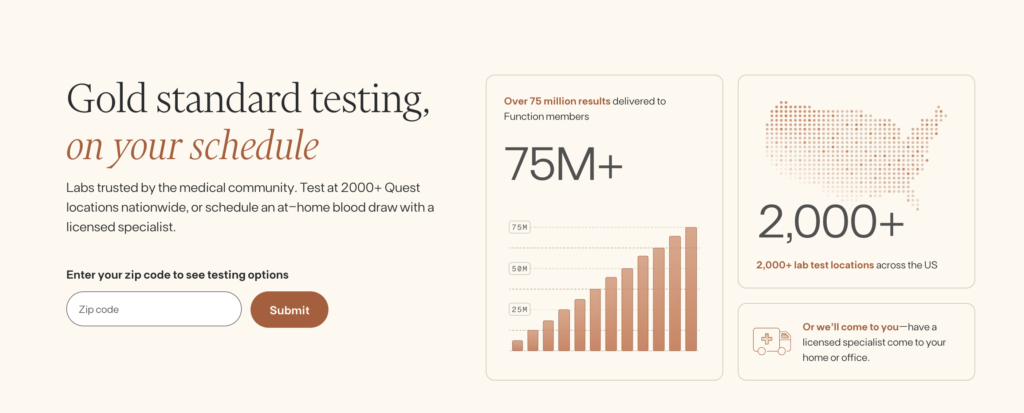
The tracking process starts with accessible testing. Function currently says members can use more than 2,000 Quest locations across 48 states. The company also provides at-home blood draws through licensed specialists in selected areas. A typical lab visit is estimated to take about 15 minutes. This network can make it easier for members to complete recurring tests without relying on one specific healthcare facility.
On-Demand Testing
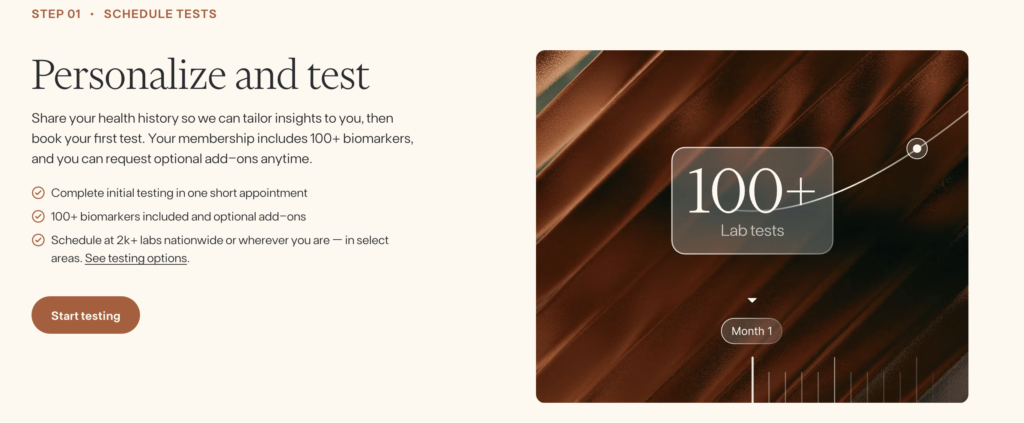
Function’s standard membership is not limited to the scheduled testing program. The company says members can test individual biomarkers on demand for an additional member-only cost. This can provide another option for members who want to monitor a specific measurement outside the regular testing schedule. The availability and pricing of additional tests can vary, so members should review the current information inside their account.
What Happens When Results Change?
A change in a laboratory result does not automatically mean that a person has a disease or medical condition. Laboratory measurements can vary for many reasons, and reference ranges do not tell the entire clinical story. Function’s platform can provide context and explanations, but members should speak with their healthcare provider when they have questions about abnormal or concerning results. This is particularly important when a result is significantly outside the expected range or when it is accompanied by symptoms.
Function and Preventive Health
The broader idea behind Function Health is proactive monitoring. The company says its platform is designed to establish a long-term baseline and monitor changes in the body. The testing program covers numerous categories, including cardiovascular, metabolic, hormonal, thyroid, nutrient, inflammatory, liver, kidney, and immune-related biomarkers. This gives members a substantial amount of information that can be followed across multiple testing periods.
How Much Does the Membership Cost?
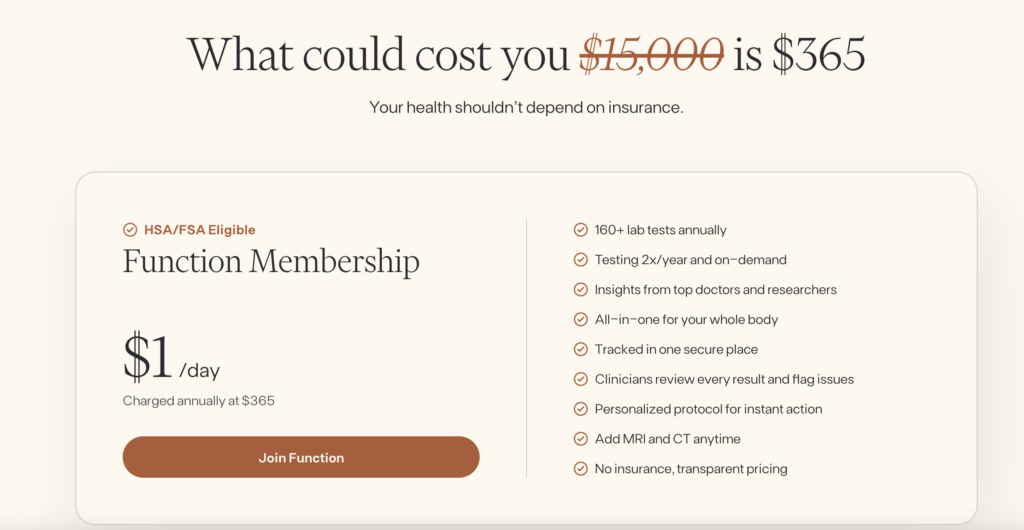
Function currently lists its membership at $365 annually. The membership includes 160+ lab tests per year and testing twice annually. Function also lists additional services such as MRI and CT imaging separately. The company says its membership is HSA/FSA eligible and does not require insurance for the standard membership.
Final Thoughts
Function Health‘s approach goes beyond simply receiving a laboratory report. The platform combines extensive testing, repeat measurements, digital record keeping, clinician-reviewed results, and personalized health information to help members follow their health over time. Its current 160+ annual laboratory tests and twice-yearly testing schedule provide multiple opportunities to establish and update personal health data. For people interested in building a long-term record of their biomarkers, Function offers a structured platform that can complement—not replace—regular medical care.